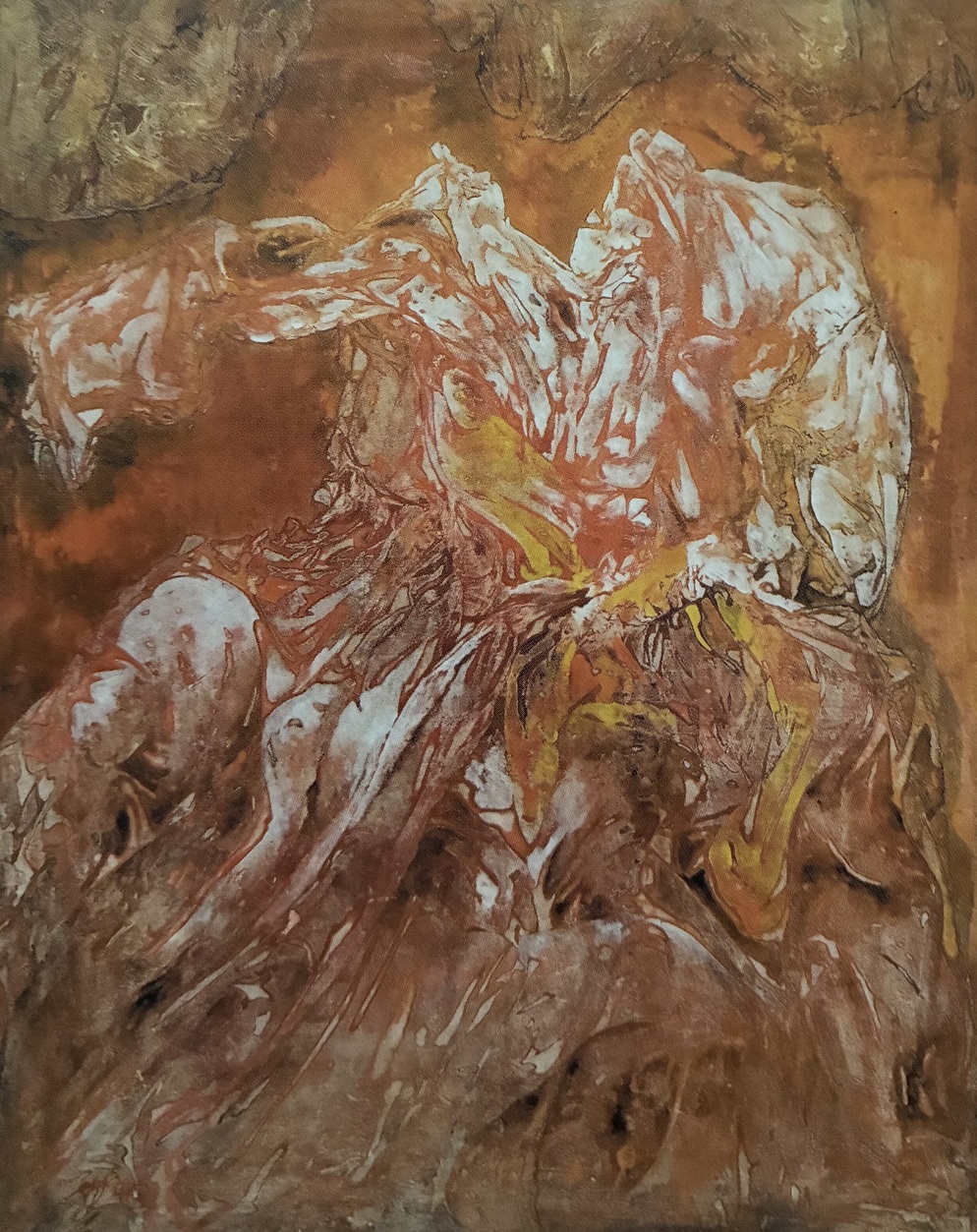
[Key Takeaways] To create compelling abstract art, focus on three fundamental pillars: defining a clear personal concept, mastering visual elements (color, composition, and texture), and engaging in consistent material experimentation and series work.
1. Where Should You Begin with Abstract Painting?
Abstract art is not simply “painting without rules”—it is the process of translating complex concepts, emotions, or experiences into a non-representational visual language.
- Define a Clear Concept: Start with a core theme derived from personal experiences, memories, natural traces, or philosophical questions.
- Identify Visual Motifs: Draw inspiration from organic textures, traditional patterns, or everyday structures to establish your foundational visual elements.
2. Key Visual Elements to Elevate Abstract Artwork
Understanding basic formal principles ensures your artwork communicates depth and visual balance.
| Visual Element | Primary Role | Practical Tip |
| Color | Evokes mood and emotional resonance | Select 1–2 dominant tones and use contrasting colors for focal points. |
| Texture | Creates tactile depth and dimension | Layer paint, utilize medium mixtures, or experiment with varied brushwork. |
| Composition | Establishes visual balance and rhythm | Balance dense focal areas with negative space to guide the viewer’s eye. |
3. How to Develop Your Unique Artistic Style
- Layering & Material Experimentation: Build depth by layering, scraping, or mixing media on canvas, allowing time and process to show in the physical texture.
- Working in Series: Rather than producing single isolated pieces, develop a cohesive series around one theme to refine your technique and narrative.
- Documenting Your Work: Maintain a structured portfolio and artist statement to continuously refine the conceptual clarity of your practice.
Frequently Asked Questions (FAQ)
- Q: Do I need formal drawing skills to paint abstract art?
- A: Yes. A strong understanding of fundamental form, line, space, and color theory provides a solid foundation for expressive abstract work.
- Q: How do I know when an abstract painting is finished?
- A: A piece is complete when color, composition, and texture achieve a state of visual balance where adding or removing any element would disrupt the unity.
현대미술(추상화)을 잘하고 싶다면? 성공적인 작업을 위한 3가지 핵심
[핵심 요약] 추상화를 잘하기 위해서는 단순히 형태를 지우는 것이 아니라, 나만의 명확한 주제(콘셉트) 설정, 재료와 기법의 반복적 실험, 그리고 시각적 조형 요소(색채·구도·질감)의 균형을 구축하는 것이 핵심입니다.
Q1. 추상화는 무엇부터 시작해야 하나요?
추상화는 ‘아무렇게나 그리는 그림’이 아니라 작가의 내면이나 개념을 비구상적 언어로 번역하는 작업입니다.
- 주제 및 개념(Concept) 구체화: 개인의 경험, 기억, 자연의 흔적, 혹은 특정 감정을 하나의 주제로 설정합니다.
- 시각적 모티브 발견: 일상의 패턴, 전통 문양, 자연의 질감 등에서 아이디어를 얻어 화면에 옮길 기초 요소를 정합니다.
Q2. 추상화의 완성도를 높이는 조형 요소는?
화면 전체의 균형을 잡아주는 기본 조형 원리를 이해하면 작품의 깊이가 달라집니다.
| 조형 요소 | 핵심 역할 | 실전 적용 팁 |
|---|---|---|
| 색채 (Color) | 감정과 분위기 전달 | 주도적인 색상 1~2가지를 정하고 대비되는 색으로 포인트를 줍니다. |
| 질감 (Texture) | 입체감과 촉각적 깊이 | 붓터치, 캔버스 재질, 혼합 재료(Medium)를 활용해 레이어를 쌓습니다. |
| 구도 (Composition) | 화면의 시각적 균형 | 여백과 밀집된 영역의 대비를 통해 시선의 흐름을 유도합니다. |
Q3. 나만의 독창적인 스타일을 만드는 방법은?
- 재료 실험과 레이어링: 물감을 겹쳐 칠하거나, 긁어내거나, 다른 재료를 조합하는 등 화면에 시간을 기록하듯 층을 쌓아봅니다.
- 연작(Series) 작업: 단 한 장으로 끝내지 않고 동일한 주제로 여러 점의 연작을 제작하여 표현 방식을 발전시킵니다.
- 지속적인 포트폴리오 정리: 작업 과정과 작품 설명을 정리해 내 작업의 맥락을 객관적으로 바라봅니다.
자주 묻는 질문 (FAQ)
- Q: 추상화도 기초 드로잉이나 구상화 연습이 필요한가요?
- A: 네, 기본 조형 감각과 선, 면, 색에 대한 이해가 탄탄할수록 추상적 표현에 힘이 실립니다.
- Q: 작품이 언제 완성되었는지 어떻게 판단하나요?
- A: 화면 안의 색채, 구도, 질감이 더 이상 더하거나 뺄 것 없이 시각적 균형을 이루었을 때가 완성의 시점입니다.
Leave a Reply